Buying a luxury home in Puerto Rico is a significant acquisition. But the purchase price is only the beginning of the financial equation.
Two properties with identical asking prices can have dramatically different ownership costs. A large oceanfront estate, for example, may require substantially more maintenance, insurance, landscaping, pool care, and property oversight than a condominium with professional building management.
For that reason, sophisticated buyers should evaluate total cost of ownership, not simply the amount required to close.
Current Puerto Rico luxury real estate coverage increasingly emphasizes this distinction, particularly for properties with extensive amenities, coastal exposure, association fees, and specialized systems.
This guide explains the major expenses buyers should consider before purchasing a luxury residence in Puerto Rico.
1. The Purchase Price Is Only the Starting Point
When evaluating a $2 million, $5 million, or $10 million property, it is natural to focus first on the acquisition price.
But once the transaction closes, the ongoing financial obligations become part of the ownership experience.
A luxury residence may involve:
- Property taxes
- Homeowners insurance
- Windstorm coverage
- Flood coverage where applicable
- HOA or condominium fees
- Landscaping
- Pool maintenance
- Air-conditioning maintenance
- Pest control
- Security
- Utilities
- Generator maintenance
- Solar and battery systems
- Property management
- Housekeeping
- Repairs
- Capital improvements
The exact expenses vary significantly by property.
That is why there is no responsible universal percentage that can be applied to every luxury home in Puerto Rico.
Instead, buyers should build a property-specific annual ownership budget.
2. Insurance Can Be a Major Ownership Consideration
Insurance deserves attention before making an offer, particularly for coastal and high-value properties.
A luxury residence may require coverage for the structure, contents, liability, windstorm exposure, and potentially flood risk depending on the location and property characteristics.
Oceanfront and exposed properties may require particularly careful analysis because of their environmental exposure.
Buyers should request insurance guidance early enough in the transaction to understand:
- Available coverage
- Deductibles
- Windstorm protection
- Flood requirements
- Replacement-value assumptions
- Liability coverage
- Contents coverage
- Exclusions
- Condominium master-policy responsibilities
The important point is simple:
Do not wait until after signing a purchase agreement to discover what the property will cost to insure.
Insurance should be part of the acquisition analysis.
3. Property Taxes Should Be Evaluated Property by Property
Puerto Rico property taxes and assessments should be reviewed as part of the due-diligence process.
Buyers should obtain the applicable property information and understand the property's existing tax obligations rather than assuming that another luxury residence will have the same carrying costs.
This is particularly important when comparing:
- New construction
- Renovated historic properties
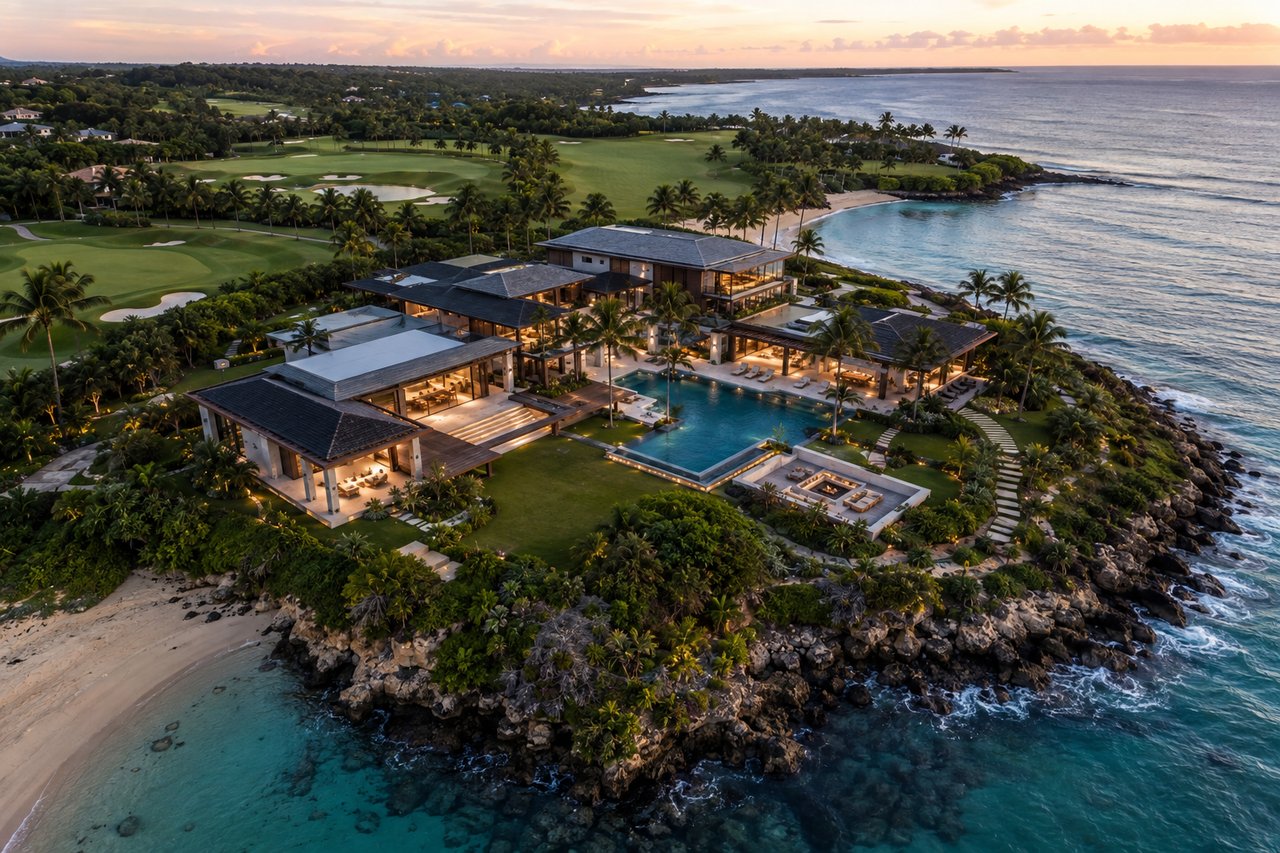
- Large estates
- Condominium residences
- Properties with extensive improvements
- Different municipalities
The buyer's attorney and appropriate tax professionals should confirm the relevant obligations for the specific property.
4. HOA and Condominium Fees Can Change the Ownership Equation
Association fees are another major distinction between luxury property types.
A condominium may have significant monthly fees, but those fees can cover services that a single-family homeowner would otherwise pay for separately.
Depending on the building or community, fees may contribute toward:
- Common-area maintenance
- Security
- Landscaping
- Building insurance
- Pool maintenance
- Elevators
- Amenities
- Building staff
- Reserve funds
- Exterior maintenance
Gated communities can have their own association structures and obligations.
The important question is not simply:
“How high is the HOA fee?”
Instead ask:
“What am I receiving for that fee, and are the association's finances healthy?”
Buyers should review applicable budgets, reserves, assessments, insurance, rules, and planned capital expenditures.
5. Maintaining a Luxury Home Is Different From Maintaining an Ordinary Residence
The larger and more complex the residence, the more systems there are to maintain.
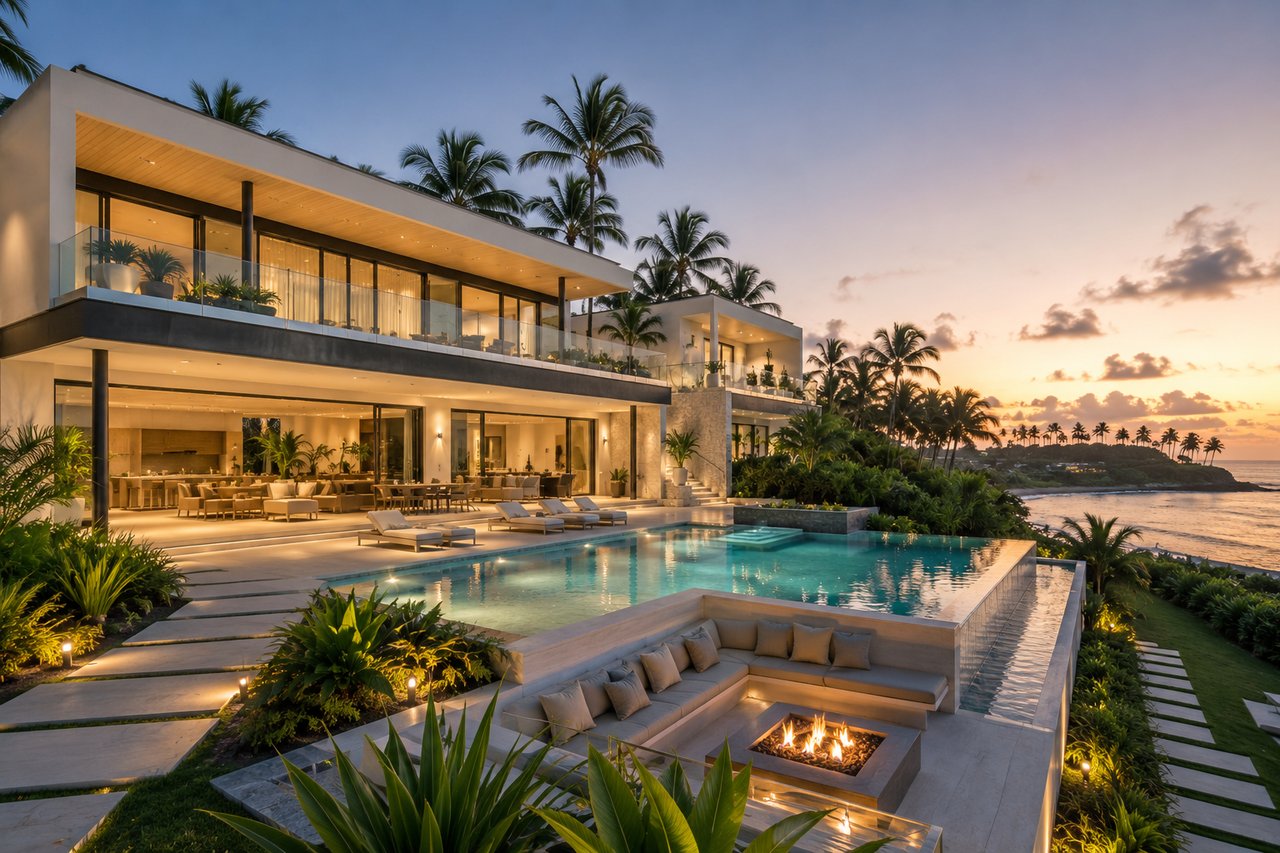
A luxury property may include:
- Multiple HVAC systems
- Large kitchens
- Outdoor kitchens
- Pools
- Spas
- Guest houses
- Elevators
- Smart-home systems
- Generators
- Solar panels
- Battery storage
- Water systems
- Extensive landscaping
- Security infrastructure
Each system represents another component of ownership.
Preventive maintenance can therefore be particularly important.
A buyer should ask not only what the home costs today, but what major systems may require replacement over a five-, ten-, or fifteen-year holding period.
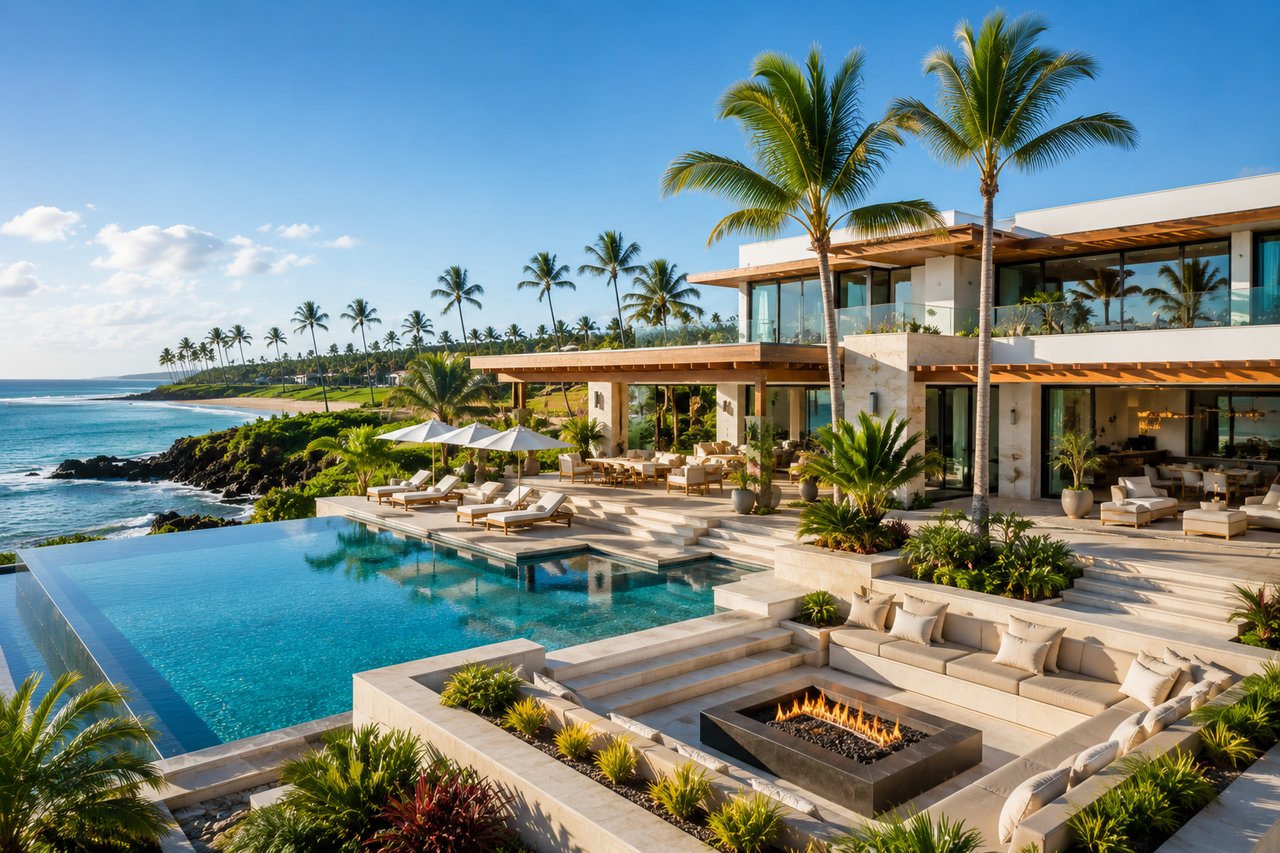
6. Coastal Homes Require a Different Maintenance Mindset
Puerto Rico's coastline is one of its greatest residential attractions.
It is also an environment that can increase maintenance requirements.
Salt air, humidity, sun exposure, tropical weather, and heavy rainfall can affect exterior finishes, mechanical equipment, landscaping, windows, doors, metal components, and other systems.
For an oceanfront luxury property, buyers should pay particular attention to:
- Exterior materials
- Corrosion
- Window systems
- Roof condition
- Drainage
- Waterproofing
- HVAC equipment
- Landscaping
- Pool equipment
- Exterior paint and finishes
This does not mean coastal ownership is inherently problematic.
It means the maintenance strategy should reflect the environment.
7. Utilities and Backup Systems Matter
Luxury properties can have substantial utility requirements.
Large residences may include extensive air-conditioning systems, pools, outdoor spaces, refrigeration, security equipment, smart-home technology, and other energy-consuming infrastructure.
Buyers should also understand the property's backup-power strategy.
Depending on the residence, this could include:
- Generator
- Solar panels
- Battery storage
- Automatic transfer systems
- Water storage
- Backup communications
The condition and capacity of these systems should be evaluated during due diligence.
A backup system is only valuable if it is appropriately sized, maintained, and operational.
8. Property Management for Absentee Owners
Second-home owners have another expense to consider: oversight.
If you live primarily outside Puerto Rico, someone needs to monitor the residence.
Property management may include:
- Routine inspections
- Contractor coordination
- Storm preparation
- Maintenance supervision
- Landscaping
- Pool care
- Security
- Deliveries
- Emergency response
- Preparing the home before arrival
For high-value properties, professional oversight can protect both the owner's convenience and the physical condition of the residence.
A home that sits empty for extended periods should not be treated as a home that requires no attention.
9. Staffing and Household Services
At the upper end of the market, some properties require more than standard property management.
Depending on the residence and owner's lifestyle, ongoing services may include:
- Housekeeping
- Landscaping
- Pool service
- Security
- Drivers
- Personal assistants
- Maintenance personnel
- Household management
These are lifestyle choices rather than universal ownership costs.
Nevertheless, buyers purchasing very large residences should include them in their planning.
The objective is to understand what it will actually take to operate the property at the standard expected by the owner.
10. Build a Realistic Annual Ownership Budget
A useful approach is to divide expenses into three categories.
Recurring expenses
These may include:
- Insurance
- Property taxes
- HOA or condominium fees
- Utilities
- Landscaping
- Pool maintenance
- Pest control
- Security
- Property management
Property-specific expenses
These may include:
- Generator maintenance
- Solar and battery systems
- Elevator service
- Specialized HVAC
- Water systems
- Smart-home technology
- Extensive gardens
- Staff
Capital reserves
These are funds set aside for larger future expenditures such as:
- Roof replacement
- Major mechanical systems
- Renovations
- Exterior work
- Pool refurbishment
- Major appliances
- Building assessments
This approach gives a buyer a much more realistic financial picture than looking only at the asking price.
11. Condo vs. Estate: Different Cost Structures
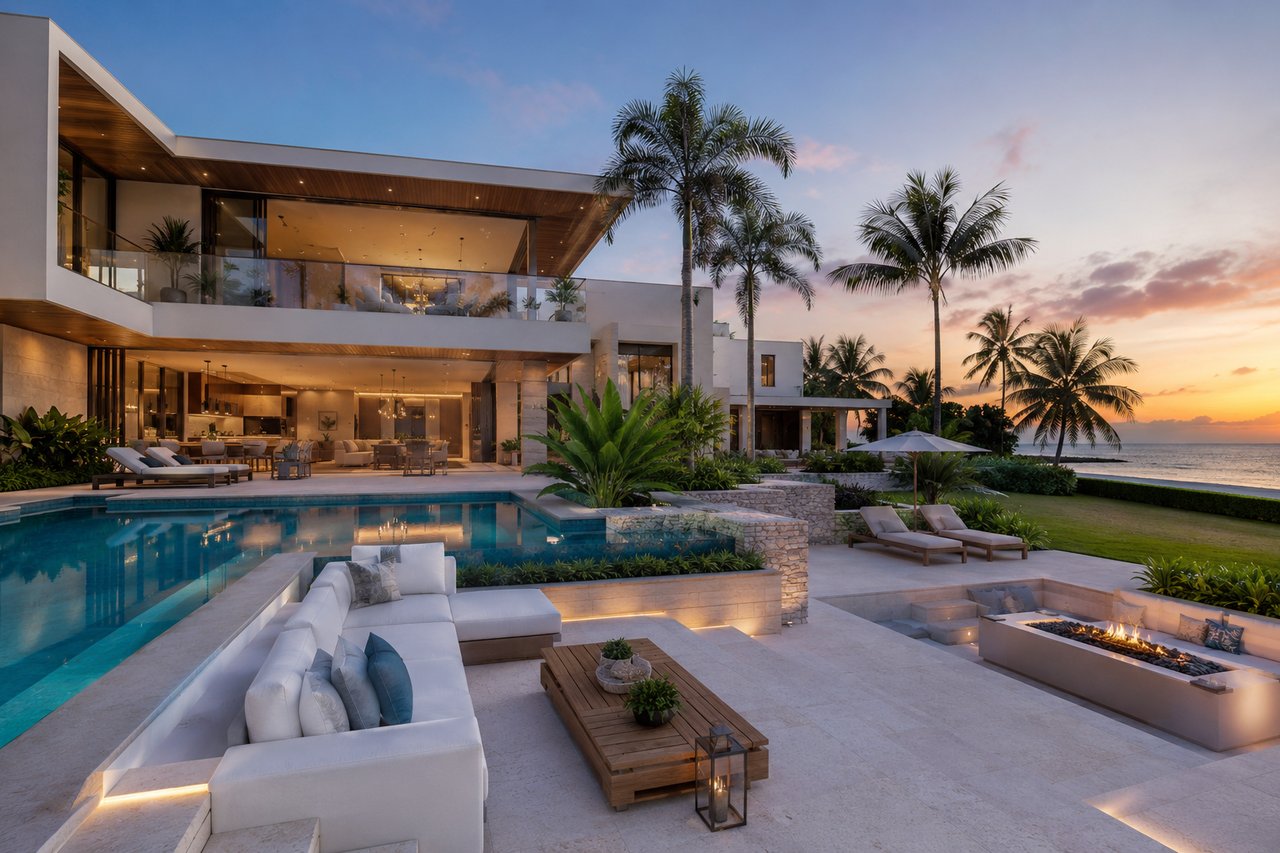
One of the most useful comparisons is between a luxury condominium and a private home.
A condominium may have higher monthly association fees but fewer individual maintenance responsibilities.
A private estate may have lower formal association expenses but require the owner to directly manage:
- Landscaping
- Pool
- Exterior maintenance
- Security
- Generators
- Repairs
- Property management
Neither model is automatically less expensive.
They simply distribute expenses differently.
The right choice depends on how the buyer wants to live.
12. The WoodsLux Perspective
At WoodsLux Realty, we believe the right luxury purchase should make financial sense beyond the closing statement.
That means helping buyers look at the complete ownership profile of a property—not simply the listing price.
A $4 million condominium and a $4 million private estate can represent very different ownership experiences.
Likewise, two $6 million homes can have dramatically different maintenance requirements depending on lot size, age, construction, location, amenities, and systems.
For buyers evaluating luxury real estate in Puerto Rico, the objective should be to understand the full cost of ownership before committing capital.
WoodsLux helps buyers evaluate properties across Puerto Rico with attention to location, property characteristics, lifestyle, community structure, and long-term ownership considerations.
Explore WoodsLux Luxury Properties Priced From $1 Million
Conclusion
The true cost of a luxury home in Puerto Rico extends far beyond the purchase price.
Insurance, property taxes, association fees, maintenance, utilities, staffing, property management, and capital improvements can all affect the long-term economics of ownership.
The most sophisticated buyers therefore ask two questions:
Can I afford to purchase this property?
and:
Does the ongoing ownership model make sense for me?
That distinction can lead to better decisions, better negotiations, and a more enjoyable ownership experience.
Luxury real estate should provide exceptional living—not unexpected financial surprises.
Frequently Asked Questions
1. How much does it cost to own a luxury home in Puerto Rico?
There is no universal annual figure. Costs vary according to property type, location, size, insurance, association fees, amenities, maintenance requirements, and whether the property is occupied full-time or seasonally.
2. Are luxury homes in Puerto Rico expensive to maintain?
They can be, particularly larger estates and coastal properties with extensive landscaping, pools, multiple mechanical systems, and specialized infrastructure. Proper preventive maintenance can help control long-term costs.
3. What are the biggest ongoing expenses?
Insurance, association fees where applicable, maintenance, utilities, property management, landscaping, pool care, and property taxes are among the principal categories buyers should evaluate.
4. Do condominiums have lower ownership costs than houses?
Not necessarily. Condominiums may shift more expenses into association fees, while private homes require owners to directly manage more systems and exterior maintenance.
5. Should I get an insurance quote before buying?
Yes. For a high-value property, insurance should be evaluated early enough to understand coverage, deductibles, exclusions, and the property's specific risk profile.
6. What is the best way to calculate ownership costs?
Build a property-specific annual budget covering recurring expenses, property-specific systems and services, and reserves for major future repairs or replacements.
7. Can WoodsLux help me evaluate ownership considerations?
WoodsLux can help buyers compare properties based on location, property type, community structure, lifestyle, and other factors that influence the overall ownership experience.