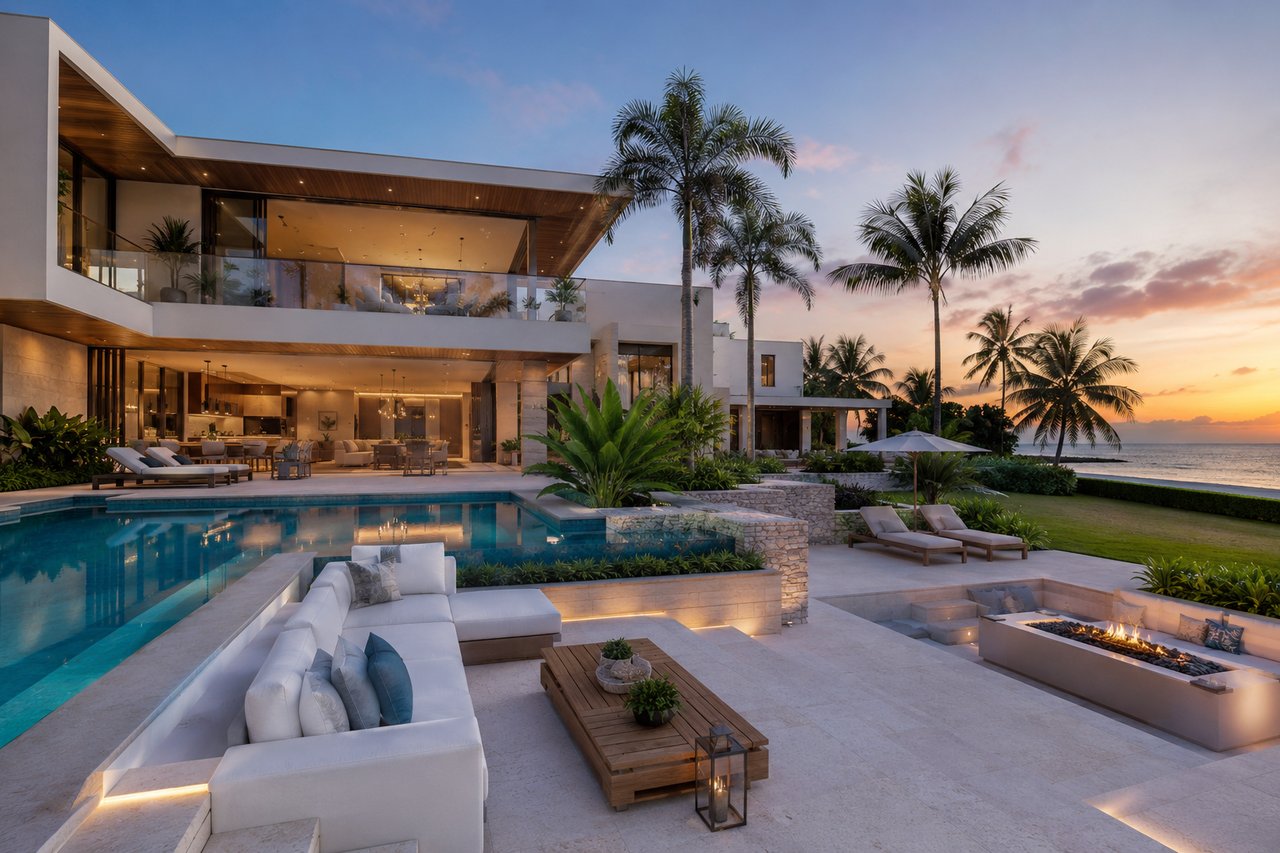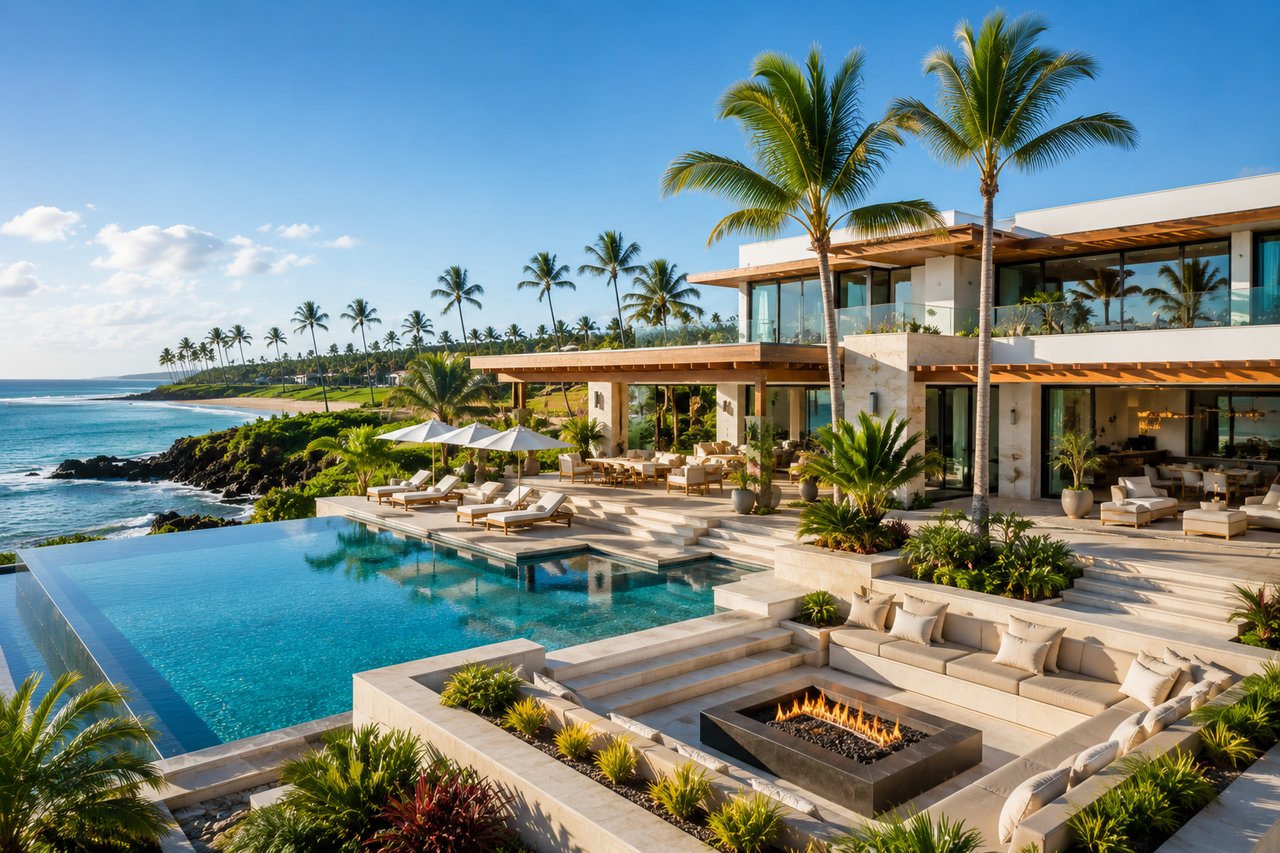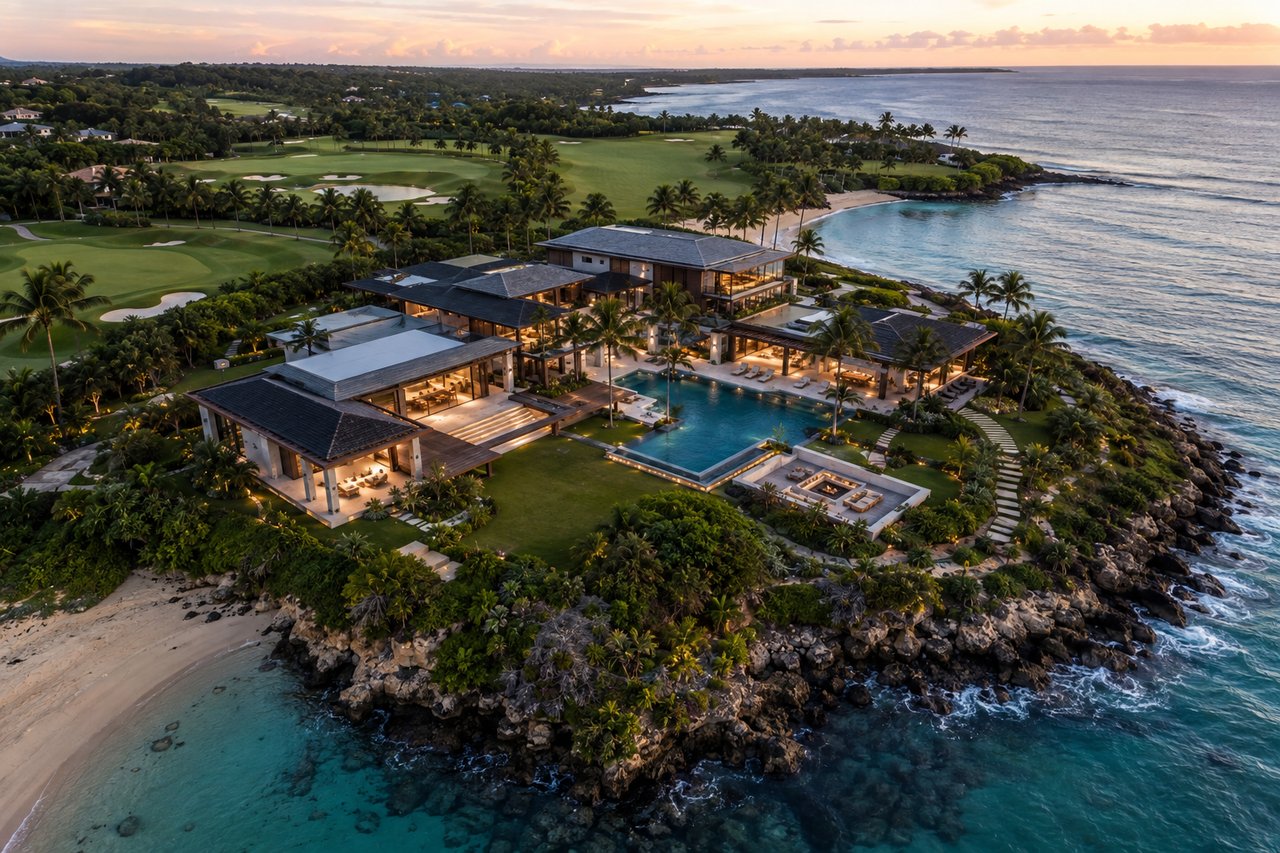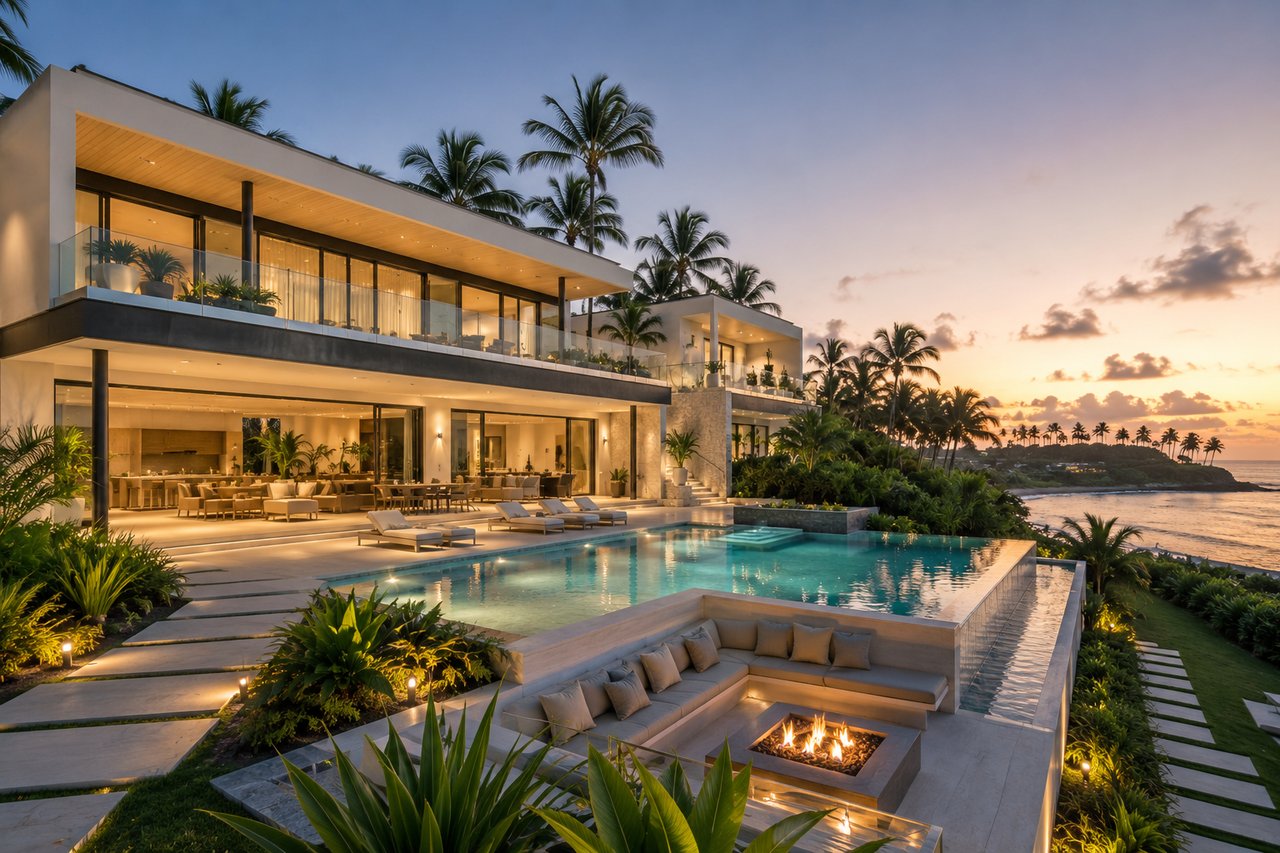
For mainland U.S. buyers, Puerto Rico can offer an unusually compelling second-home proposition: tropical surroundings, established luxury residential communities, U.S. dollar transactions, direct air connectivity to the mainland, and a wide range of property types.
But buying a second home is different from buying a primary residence.
The property needs to work when you are there—and when you are not.
That changes the priorities.
A second-home buyer may place greater importance on security, maintenance, property management, ease of arrival, resilience, lock-and-leave convenience, and the ability to enjoy the residence without creating another full-time responsibility.
The ideal property is therefore not necessarily the largest or most impressive home available.
It is the property that works exceptionally well with the owner's actual lifestyle.
1. Define How You Will Use the Home
Before searching, estimate how often you expect to be in Puerto Rico.
Will you visit:
- Several weeks per year?
- One week every month?
- Entire winters?
- School holidays?
- Extended summer periods?
- Several months at a time?
The answer should influence the property type.
A buyer visiting occasionally may prefer a condominium with professional management.
A family spending several months each year in Puerto Rico may want a larger house with outdoor space.
A boating enthusiast may prioritize marina access.
A golf-oriented buyer may want a residence within a resort community.
The best second home begins with a clear use case.
2. Choose Between Urban and Resort Living
Puerto Rico offers several distinct second-home lifestyles.
Condado and San Juan
These areas appeal to buyers who want restaurants, cultural attractions, beaches, shopping, entertainment, and urban convenience.
A condominium can be particularly attractive for owners who want a lock-and-leave residence.
Dorado
Dorado offers a more private, gated, and resort-oriented experience, with luxury residences and communities designed around golf, beaches, recreation, and residential privacy.
Bahía Beach
Bahía Beach offers a nature-oriented resort environment for buyers who value privacy, golf, coastal surroundings, and a lower-density setting.
Palmas del Mar
Palmas del Mar offers a larger resort-community environment combining residential neighborhoods with golf, marina access, beaches, tennis, and other recreational amenities.
The question is not which market is objectively better.
It is which environment matches how you intend to spend your time.
3. Consider the Lock-and-Leave Factor
One of the most important concepts in second-home ownership is convenience.
If you leave Puerto Rico for several weeks or months, how much work does the property require?
A low-maintenance condominium may offer:
- Building security
- Common-area maintenance
- Exterior maintenance
- Landscaping
- Pool services
- On-site management
A private home may offer greater privacy and space but require more direct oversight.
That can still work exceptionally well—but only with an appropriate management system.
For second-home buyers, convenience should be treated as a genuine luxury.
4. Build a Property Management Plan Before You Buy
A second home needs someone responsible for it when you are away.
A property management plan might include:
- Regular inspections
- Maintenance coordination
- Landscaping
- Pool service
- Air-conditioning checks
- Storm preparation
- Contractor access
- Security monitoring
- Emergency response
- Arrival preparation
Buyers should understand these services before closing rather than assuming they can be organized later.
The more valuable and complex the property, the more important professional oversight becomes.
5. Think About Arrival and Departure
A second home should be easy to use.
Ask:
- How far is the property from the airport?
- How easy is access after arrival?
- Can groceries and household supplies be arranged?
- Is parking convenient?
- Does the property require extensive preparation after being vacant?
- Are utilities and systems easy to activate and monitor?
- Can someone prepare the home before arrival?
Luxury ownership is partly about removing friction.
The best second residence should feel ready when you arrive.
6. Choose the Right Size
Mainland buyers sometimes make the mistake of buying more house than they will actually use.
A six-bedroom estate may be spectacular, but if the owner typically visits with two people, it may create unnecessary maintenance.
Conversely, a growing family may regret buying a smaller property simply because it was easier to maintain.
Consider:
- Typical occupancy
- Guest frequency
- Family growth
- Staff requirements
- Outdoor space
- Storage
- Maintenance
- Future use
The right second home should reflect actual lifestyle patterns rather than an aspirational floor plan alone.
7. Understand Insurance and Resilience
A second home is often vacant for extended periods, making resilience particularly important.
Buyers should understand:
- Property insurance
- Windstorm coverage
- Flood considerations
- Generator systems
- Solar and batteries
- Water storage
- Security
- Storm preparation
- Remote monitoring
For coastal properties, environmental exposure should also be considered.
A residence that performs well when occupied but requires extensive attention during every absence may not be the best second-home choice.
8. Should You Consider Rental Income?
Some second-home buyers want the option of generating rental income when they are away.
That can be viable for certain properties, but buyers should never assume that short-term or long-term rentals are automatically permitted.
Applicable restrictions can arise from:
- Condominium rules
- Community regulations
- Local requirements
- Property-specific agreements
If rental income is part of the acquisition strategy, verify the rules before purchasing.
Then analyze:
- Rental demand
- Seasonality
- Management costs
- Cleaning
- Maintenance
- Insurance
- Association fees
- Taxes
- Vacancy
The property should make sense even when evaluated conservatively.
9. Consider the Future
A second home may eventually become:
- A primary residence
- A retirement home
- A family property
- An investment
- A legacy asset
- A property sold to fund another acquisition
That means buyers should think beyond today's vacation schedule.
Could the property work for longer stays later?
Could it accommodate aging parents?
Would the location remain convenient?
Would the property appeal to future buyers?
Long-term flexibility is particularly valuable at the luxury level.
10. The Financial Side of Second-Home Ownership
The annual budget should include more than mortgage payments.
Consider:
- Insurance
- Property taxes
- HOA or condominium fees
- Utilities
- Maintenance
- Landscaping
- Pool care
- Property management
- Security
- Repairs
- Furnishing
- Travel
- Capital reserves
A second home is a lifestyle asset, but it is still an asset with carrying costs.
The more realistic the budget, the more enjoyable the ownership experience.
11. The WoodsLux Perspective
At WoodsLux Realty, we believe second-home buyers should begin with one question:
What should this home make easier?
For some buyers, the answer is effortless weekends by the ocean.
For others, it is family time, golf, boating, entertaining, winter escapes, or eventually establishing a full-time residence.
That answer determines the right market and property type.
WoodsLux helps buyers evaluate Puerto Rico luxury properties according to how they intend to use them—not simply according to price or appearance.
For buyers ready to explore current luxury inventory priced from $1 million:
Explore WoodsLux Luxury Properties for Sale in Puerto Rico
Conclusion
Buying a second home in Puerto Rico can create an exceptional lifestyle opportunity, but the right property is not simply the one with the best view.
It is the one that works when you are present and when you are away.
That means choosing the right location, property type, maintenance model, management structure, and long-term strategy.
For many mainland buyers, the greatest luxury is not additional square footage.
It is having a Puerto Rico residence that feels effortless to own.
Frequently Asked Questions
1. Is Puerto Rico a good place to buy a second home?
For buyers seeking Caribbean lifestyle, U.S. dollar transactions, established luxury communities, and convenient access from the mainland, Puerto Rico can be an attractive second-home market.
2. What is the best location for a second home in Puerto Rico?
It depends on lifestyle. Condado favors urban coastal living, Dorado emphasizes private resort living, Bahía Beach offers a nature-oriented environment, and Palmas del Mar combines resort amenities with a larger residential setting.
3. Is a condo or house better for a second home?
A condominium can provide easier lock-and-leave ownership, while a private house generally offers more space and privacy. The better option depends on how frequently the buyer visits and how much maintenance they want to manage.
4. Should a second home have a property manager?
For many absentee owners, professional property oversight can be valuable, particularly for larger or more complex residences.
5. Can I rent my Puerto Rico second home?
Potentially, but rental permissions vary by property, condominium, community, and applicable rules. Buyers should verify restrictions before purchasing.
6. What should I consider if I am away during hurricane season?
Insurance, backup power, storm preparation, remote monitoring, water systems, and professional property oversight should all be considered.
7. Can WoodsLux help mainland buyers find a second home?
Yes. WoodsLux can help buyers narrow Puerto Rico's luxury market based on intended use, preferred location, property type, budget, privacy, amenities, and long-term goals.