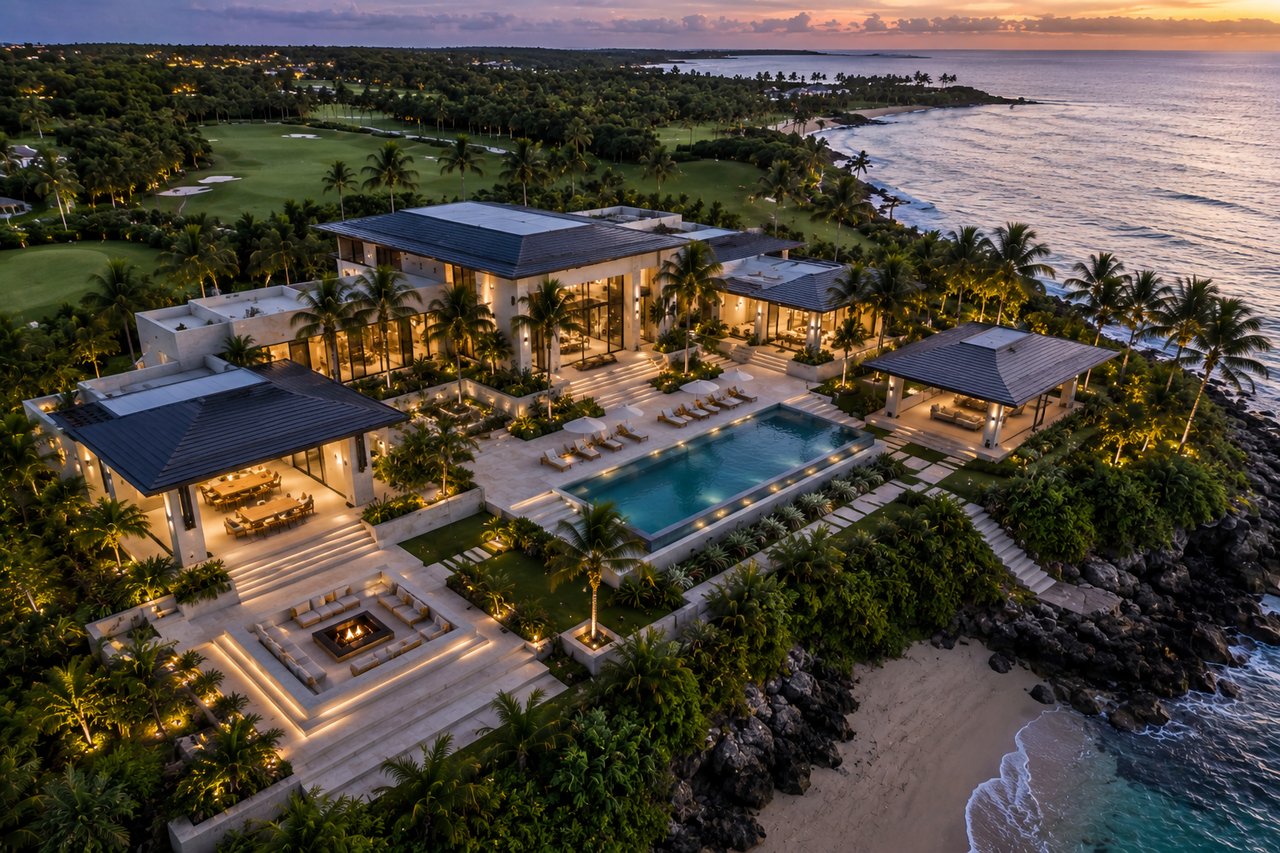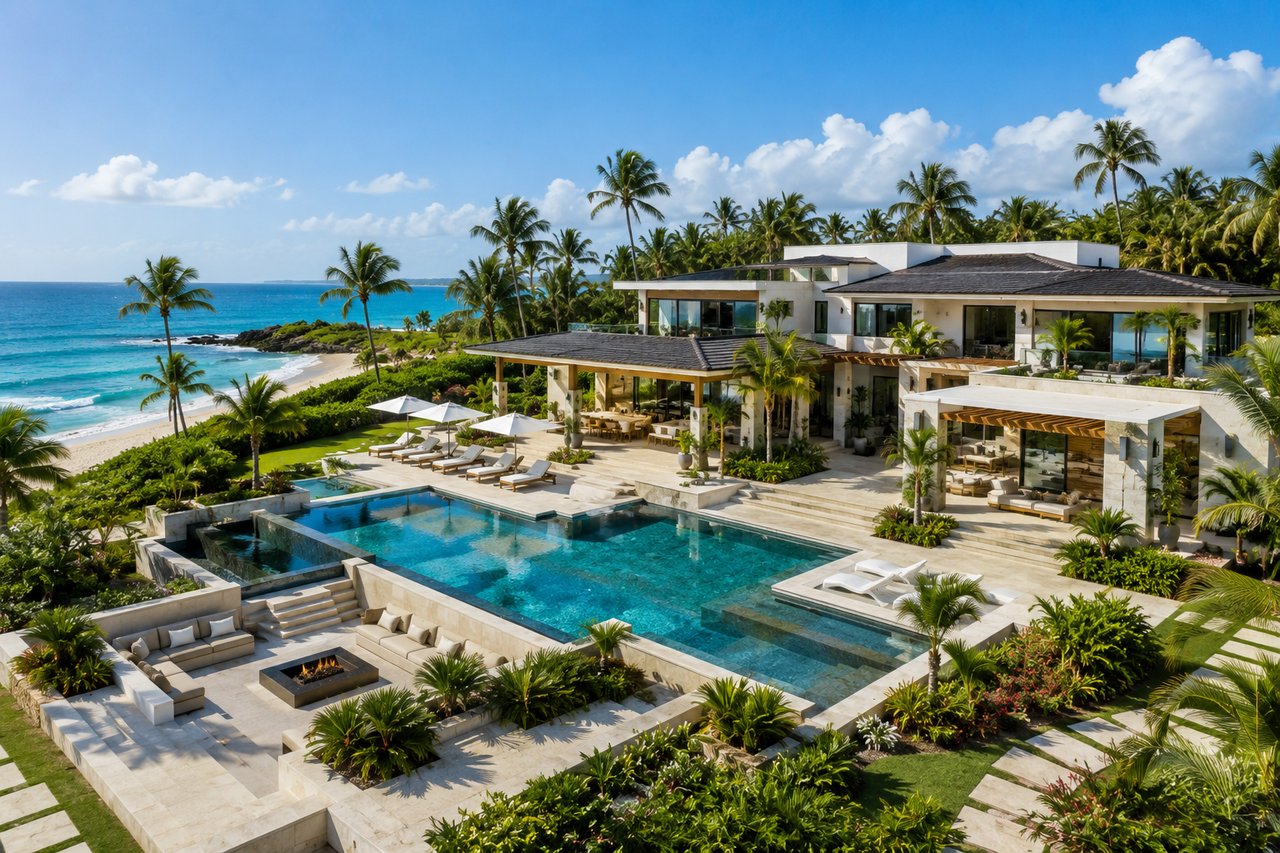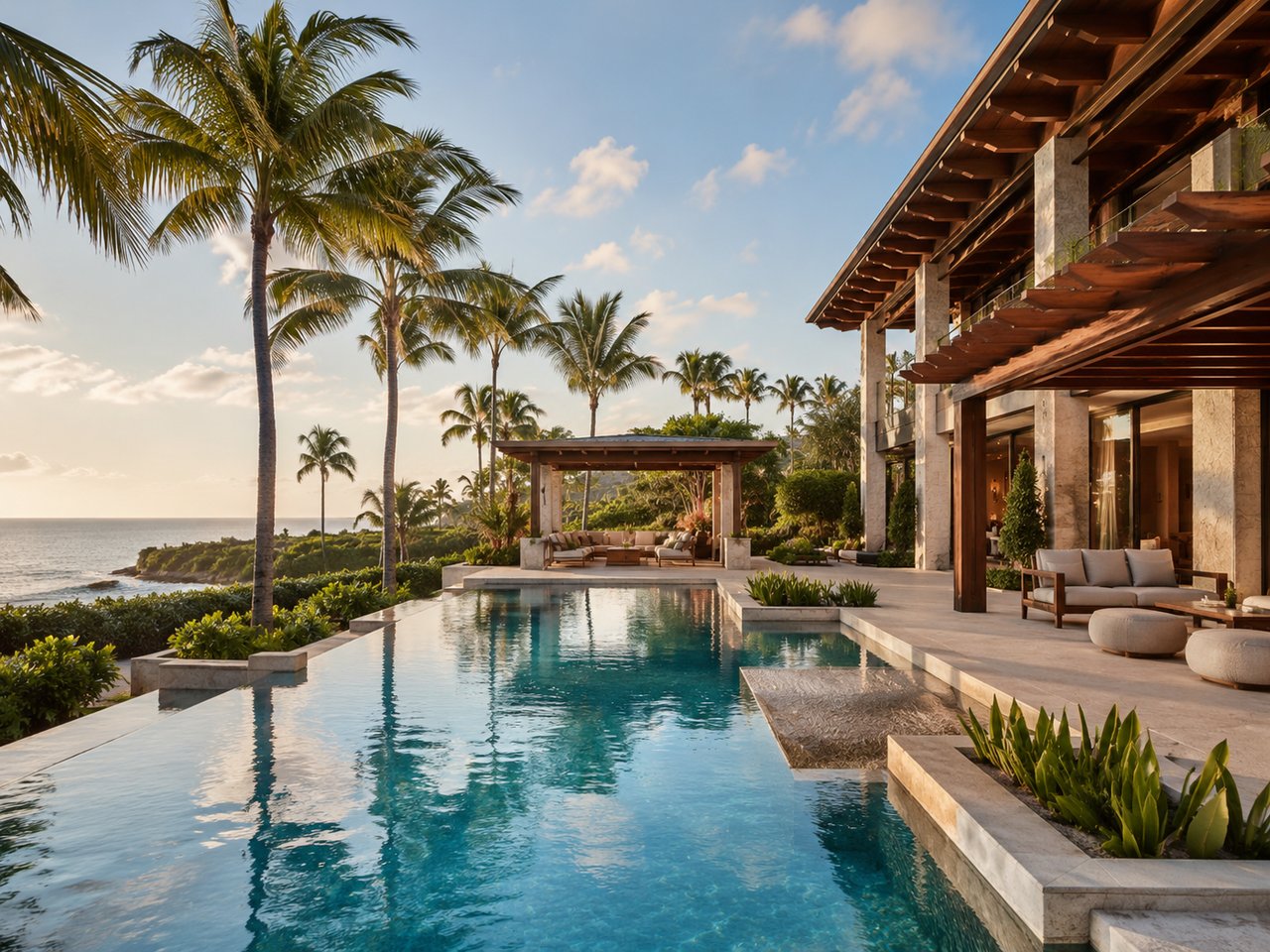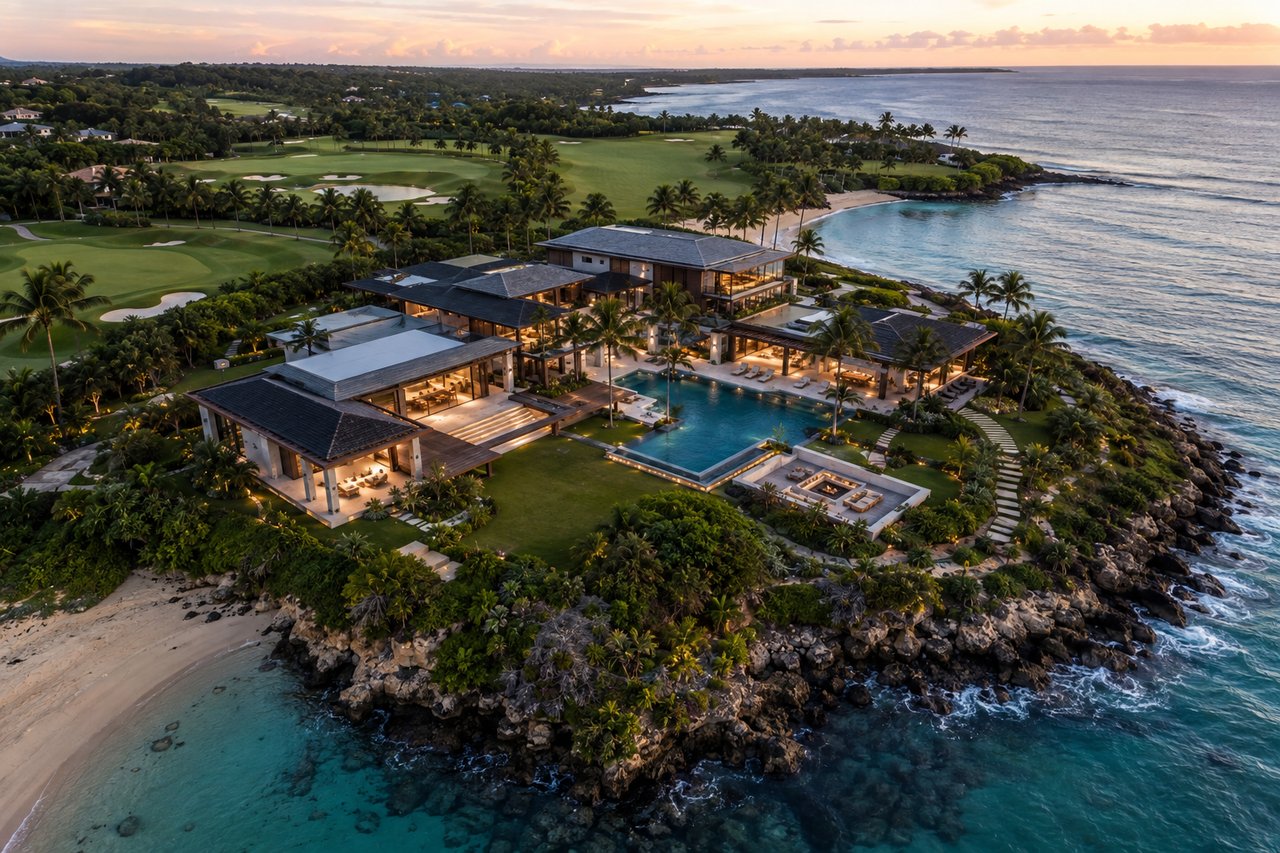
Buying a luxury home in Puerto Rico is an exciting opportunity, but the process deserves the same level of preparation as any significant real estate acquisition.
For buyers arriving from the mainland United States, the experience may feel familiar in many respects. Puerto Rico uses the U.S. dollar, American citizens can purchase property, and the island has an established residential real estate market. At the same time, Puerto Rico has its own legal, tax, property-record, insurance, condominium, and closing considerations that buyers should understand before making a substantial commitment.
The first mistake many luxury buyers make is beginning with individual properties before defining what they actually need. A $2 million residence in Condado, a private home in Dorado, a resort property in Bahía Beach, and an estate in another established community can represent completely different ownership experiences.
The better approach is to build a buying strategy first and then search for the property.
For buyers considering a luxury acquisition in Puerto Rico, this guide explains the process from the initial search through due diligence and closing—and the questions that should be answered before signing a contract.
1. Start by Defining What You Want From the Property
Before looking at listings, determine the purpose of the acquisition.
This sounds obvious, but it has a significant effect on the properties that should make your shortlist.
A luxury buyer may be looking for:
- A primary residence
- A second home
- A seasonal residence
- A family retreat
- A condominium for a lock-and-leave lifestyle
- A private estate
- A property within a resort community
- A residence connected to a relocation strategy
These objectives lead to different searches.
Primary residence
If you plan to live in Puerto Rico full-time, everyday convenience becomes critical.
You may care more about proximity to work, schools, medical services, restaurants, shopping, airports, and other daily infrastructure than you would for a vacation property.
Second home
For a second residence, security, property management, maintenance, resilience, and ease of arrival and departure may carry greater weight.
Family property
A multigenerational purchase may require more bedrooms, guest accommodations, outdoor space, privacy, recreational amenities, and flexible living areas.
Investment-oriented purchase
If investment performance is part of the objective, the property should be analyzed according to its specific rental rules, operating expenses, location, demand profile, taxes, insurance, and potential resale—not simply its appearance or purchase price.
The first step is therefore not:
“What house do I want?”
It is:
“What do I want this property to do for me?”
2. Choose the Right Puerto Rico Market Before Choosing the Property
Puerto Rico is not a single luxury real estate market.
Different communities offer different lifestyles, property types, levels of privacy, amenities, and access to urban infrastructure.
Condado and San Juan
These markets are particularly suited to buyers who want coastal urban living, restaurants, walkability, cultural attractions, services, and condominium options.
Dorado
Dorado offers a more private residential and resort-oriented environment, with gated communities, larger homes, golf, beach access, and a strong concentration of luxury properties.
Bahía Beach and Río Grande
For buyers who prioritize nature, privacy, resort amenities, golf, and a lower-density environment, Bahía Beach offers a different proposition from San Juan's urban core.
Palmas del Mar
Palmas del Mar offers a broad resort-community environment with residential, golf, marina, beach, and recreational options. Its scale creates a different ownership experience from smaller luxury enclaves.
Other Puerto Rico markets
Luxury opportunities also exist in areas such as Ocean Park, Isla Verde, Miramar, Guaynabo, and selected coastal markets throughout the island.
The right location should be determined by lifestyle first.
A spectacular house in the wrong community is still the wrong purchase.
3. Establish a Realistic Luxury Property Budget
A purchase budget should include considerably more than the property's asking price.
Luxury buyers should account for the total cost of acquisition and ownership.
Depending on the property, this can include:
- Purchase price
- Legal fees
- Inspection and due-diligence expenses
- Appraisal where applicable
- Financing costs
- Insurance
- Property taxes
- Condominium or community fees
- Maintenance
- Landscaping
- Pool maintenance
- Security
- Utilities
- Property management
- Renovations
- Furniture and design
- Potential capital expenditures
For condominiums, monthly association fees deserve particular attention.
For gated communities and resort properties, community and club-related expenses may also be significant.
The key is to distinguish purchase affordability from ownership affordability.
A property may fit comfortably within a buyer's acquisition budget while still carrying annual expenses that materially change the economics of ownership.
4. Decide Whether You Will Finance or Purchase With Cash
Luxury buyers in Puerto Rico may approach acquisitions through cash, conventional financing, private banking relationships, or other structures depending on their circumstances.
Cash offers can provide simplicity and may strengthen negotiating flexibility in certain situations.
Financing, however, can allow buyers to preserve liquidity or allocate capital elsewhere.
If financing is part of the strategy, buyers should establish their financing capacity early rather than waiting until they find the ideal property.
Important considerations can include:
- Loan amount
- Down payment
- Interest rate
- Term
- Debt-service requirements
- Appraisal
- Property eligibility
- Insurance requirements
- Closing costs
- Liquidity requirements
For high-value acquisitions, it can also be useful to distinguish between what a buyer can technically borrow and what level of debt makes sense for the overall financial strategy.
A luxury purchase should fit into the buyer's broader balance sheet rather than exist independently from it.
5. Build a Shortlist Based on Property Characteristics
Once the location and budget are established, define the physical characteristics that are genuinely important.
For example:
Residence
- Number of bedrooms
- Number of bathrooms
- Interior square footage
- Lot size
- Outdoor living
- Pool
- Garage
- Guest accommodations
- Office space
- Staff areas
- Storage
Location
- Oceanfront
- Near beach
- Golf frontage
- Marina access
- Gated community
- Walkability
- Proximity to San Juan
- Airport access
- School access
- Medical facilities
Lifestyle
- Privacy
- Security
- Resort amenities
- Golf
- Boating
- Dining
- Fitness
- Entertainment
- Family activities
The more precisely these criteria are defined, the more efficient the search becomes.
This is particularly important at the luxury level because buyers can easily become distracted by properties that are impressive but do not actually match their requirements.
6. Conduct Serious Due Diligence Before You Commit
This is where a luxury real estate purchase becomes more than a property tour.
A residence may look exceptional and still require significant investigation.
The appropriate due-diligence process depends on the property, but may include review of:
- Title and ownership
- Property records
- Surveys
- Zoning
- Permits
- Physical condition
- Structural systems
- Roof
- Electrical systems
- Plumbing
- Air conditioning
- Generators
- Solar and battery systems
- Pools
- Drainage
- Landscaping
- Insurance
- Property taxes
- Existing liens or obligations
- Community or condominium documents
For condominiums
The building deserves as much attention as the individual residence.
Review relevant information regarding:
- Association finances
- Maintenance fees
- Reserves
- Special assessments
- Insurance
- Major repairs
- Building rules
- Rental restrictions
- Parking
- Common areas
- Planned capital improvements
A beautifully renovated condominium unit does not eliminate the need to investigate the building itself.
For gated communities
Buyers should understand the community structure, applicable fees, restrictions, amenities, and ownership obligations.
In a luxury acquisition, due diligence is not an administrative formality.
It is part of the investment decision.
7. Understand Insurance and Property Resilience
Insurance deserves early attention when purchasing property in Puerto Rico.
The island's tropical climate means buyers should understand how the property's construction, location, building type, and exposure affect insurance and resilience.
For a luxury home, buyers may want to investigate:
- Windstorm coverage
- Flood considerations where applicable
- Property replacement value
- Contents coverage
- Liability coverage
- Backup power
- Water storage
- Solar and battery systems
- Generator capacity
- Storm preparation
- Property management during periods of absence
For condominium buyers, the distinction between the association's master insurance and the individual owner's responsibilities is particularly important.
A buyer should understand the insurance structure before closing, not after discovering a coverage issue.
8. Make Sure the Property Works for Your Long-Term Lifestyle
One of the most important questions in luxury real estate is also one of the simplest:
Will this property still make sense several years from now?
A home can be perfect for the buyer's current situation and become less appropriate as circumstances change.
Consider:
- Will the family grow?
- Will children eventually leave home?
- Will the property become a second residence?
- Will you spend more or less time in Puerto Rico?
- Will you want easier maintenance later?
- Could you eventually sell?
- Will the property appeal to another buyer profile?
- Are there restrictions that could affect future flexibility?
This is particularly relevant when purchasing at a high price point.
The more expensive the property, the more important it becomes to understand its potential future buyer pool.
9. Negotiate Based on the Property—not Just the Asking Price
Luxury real estate negotiations should be based on the complete property profile.
The relevant questions include:
- How long has the property been available?
- How does it compare with competing inventory?
- What condition is it in?
- Are there recent comparable sales?
- Is the asking price supported by the property characteristics?
- Are there known capital expenditures?
- Does the property require significant renovation?
- Are furnishings included?
- What terms matter to the seller?
- What terms matter most to the buyer?
The highest-value negotiation is not always a reduction in purchase price.
Depending on the transaction, buyers may also negotiate around:
- Closing timing
- Personal property
- Repairs
- Credits
- Contingencies
- Inspection issues
- Included equipment
- Other transaction terms
The objective is to structure a transaction that makes sense—not simply to “win” the negotiation.
10. Closing a Luxury Real Estate Purchase in Puerto Rico
Once the parties agree on the transaction and due diligence is satisfactory, the purchase moves toward closing.
The precise process and documentation will depend on the transaction.
This is where the buyer's professional team becomes particularly important.
A typical luxury acquisition may involve coordination among:
- Real estate professionals
- Buyer and seller
- Attorneys
- Lenders
- Inspectors
- Insurance professionals
- Title and closing professionals
- Property managers
- Tax advisers where appropriate
Buyers should not assume that every transaction follows the exact same timeline.
The complexity of the property, financing, title, condominium documentation, inspections, and other issues can influence the process.
For this reason, an experienced buyer should focus on clarity of responsibilities and documentation, rather than simply trying to accelerate the closing.
11. The WoodsLux Perspective
At WoodsLux Realty, we believe a luxury property search should be treated as a process of refinement.
The goal is not to show a buyer as many properties as possible.
It is to identify the properties that genuinely fit.
That begins with understanding the buyer's intended lifestyle, preferred communities, property type, privacy requirements, budget, and long-term objectives. From there, the search can become more targeted.
For a buyer relocating to Puerto Rico, this may mean comparing urban condominium living with a private gated community.
For an existing Puerto Rico resident, it may mean identifying a larger estate or a more private residence.
For a second-home buyer, it may mean prioritizing security, maintenance, convenience, and access.
The property search should therefore be built around the buyer—not around whatever happens to be available on the market.
WoodsLux works with buyers seeking luxury residences throughout Puerto Rico, including Condado, Dorado, Ocean Park, Isla Verde, Bahía Beach, and other premier communities.
For buyers ready to explore current luxury inventory, WoodsLux's active listings can be viewed here:
Explore WoodsLux Luxury Properties for Sale in Puerto Rico
12. A Luxury Buyer Checklist
Before making an offer, a buyer should be able to answer the following:
Property
- What is the property's true condition?
- What major systems will require attention?
- Are renovations necessary?
- What is included in the sale?
Location
- Does the community fit the intended lifestyle?
- Is the location convenient for daily life?
- How does it compare with alternatives?
Financial
- What is the total acquisition cost?
- What are the expected annual carrying costs?
- Are there community or condominium fees?
- What insurance costs should be anticipated?
Due diligence
- Has the property been professionally inspected?
- Have relevant title and property documents been reviewed?
- Are there outstanding obligations?
- Have applicable permits and improvements been evaluated?
Long-term ownership
- Who will maintain the property?
- What happens when the owner is away?
- Is the property suitable for the intended holding period?
- Could it appeal to future buyers?
If these questions have clear answers, the buyer is in a much stronger position to make an informed decision.
Conclusion
Buying a luxury home in Puerto Rico should be approached as a strategic real estate decision—not simply as the purchase of a beautiful residence.
The strongest acquisitions begin with a clear understanding of lifestyle, location, budget, property type, ownership objectives, and long-term plans.
From there, buyers can evaluate properties more intelligently, conduct appropriate due diligence, understand the true cost of ownership, and negotiate from a position of knowledge.
Puerto Rico offers a remarkable range of luxury residential environments. The challenge is not finding a beautiful property.
It is finding the right property in the right location, at the right terms, for the way you intend to live.
For buyers beginning that process, WoodsLux Realty can help narrow the market, identify suitable luxury opportunities, coordinate private property viewings, and provide guidance throughout the search and acquisition process.
The most successful luxury purchases are rarely the result of simply finding the most impressive house.
They come from finding the residence that makes the most sense.
Frequently Asked Questions
1. Can U.S. citizens buy property in Puerto Rico?
Yes. U.S. citizens can purchase real estate in Puerto Rico. However, buyers should still work with appropriate legal and real estate professionals to understand the specific documentation, transaction, tax, and ownership considerations applicable to their purchase.
2. How much does it cost to buy a luxury home in Puerto Rico?
There is no single threshold that defines luxury across the island. Pricing varies significantly by location, property type, size, views, amenities, community, and condition. Buyers should evaluate both the purchase price and the property's total cost of ownership.
3. What are the best places to buy a luxury home in Puerto Rico?
The answer depends on lifestyle. Dorado is known for private and resort-oriented luxury; Condado offers urban coastal living; Bahía Beach emphasizes privacy and resort amenities; Palmas del Mar offers a large master-planned resort environment; and other communities provide different combinations of space, accessibility, and privacy.
4. Should I buy a condo or a single-family home in Puerto Rico?
A condo can provide convenience, security, amenities, and a more lock-and-leave ownership model. A single-family home generally offers greater privacy, outdoor space, and control over the property. The better option depends on how the buyer intends to use the residence.
5. What due diligence should I perform before buying a luxury property?
Buyers should investigate title, physical condition, property records, permits where applicable, insurance, taxes, community or condominium obligations, and other relevant documentation. The specific due-diligence requirements vary according to the property and transaction.
6. Do luxury homes in Puerto Rico require special insurance considerations?
Insurance requirements depend on the property, location, construction, building type, and coverage. Buyers should understand property, windstorm, flood-related considerations where applicable, and condominium master-policy coverage before completing the purchase.
7. How can WoodsLux help me buy a luxury home in Puerto Rico?
WoodsLux Realty helps buyers identify luxury properties based on location, lifestyle, property type, budget, privacy, amenities, and long-term objectives. The team can assist with property searches, comparisons, private showings, and coordination throughout the acquisition process.