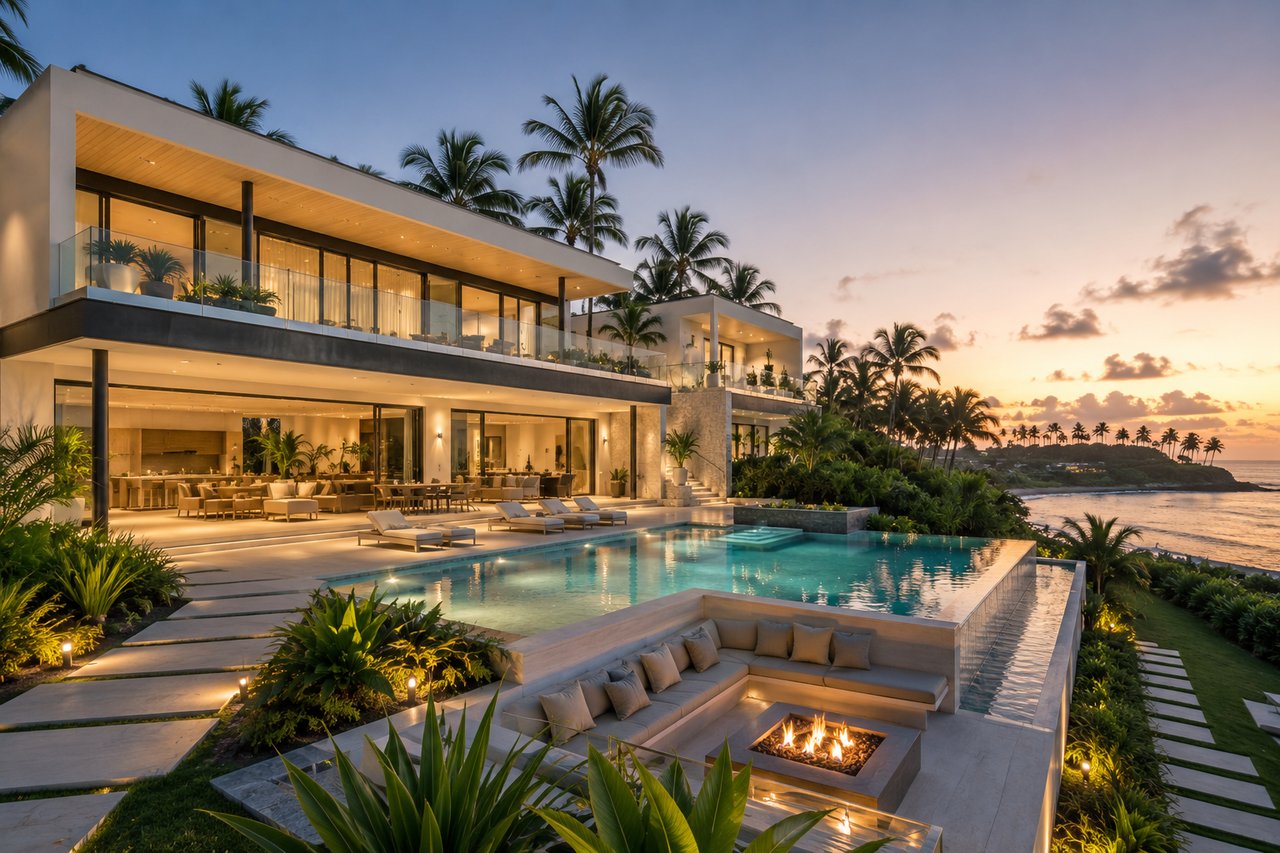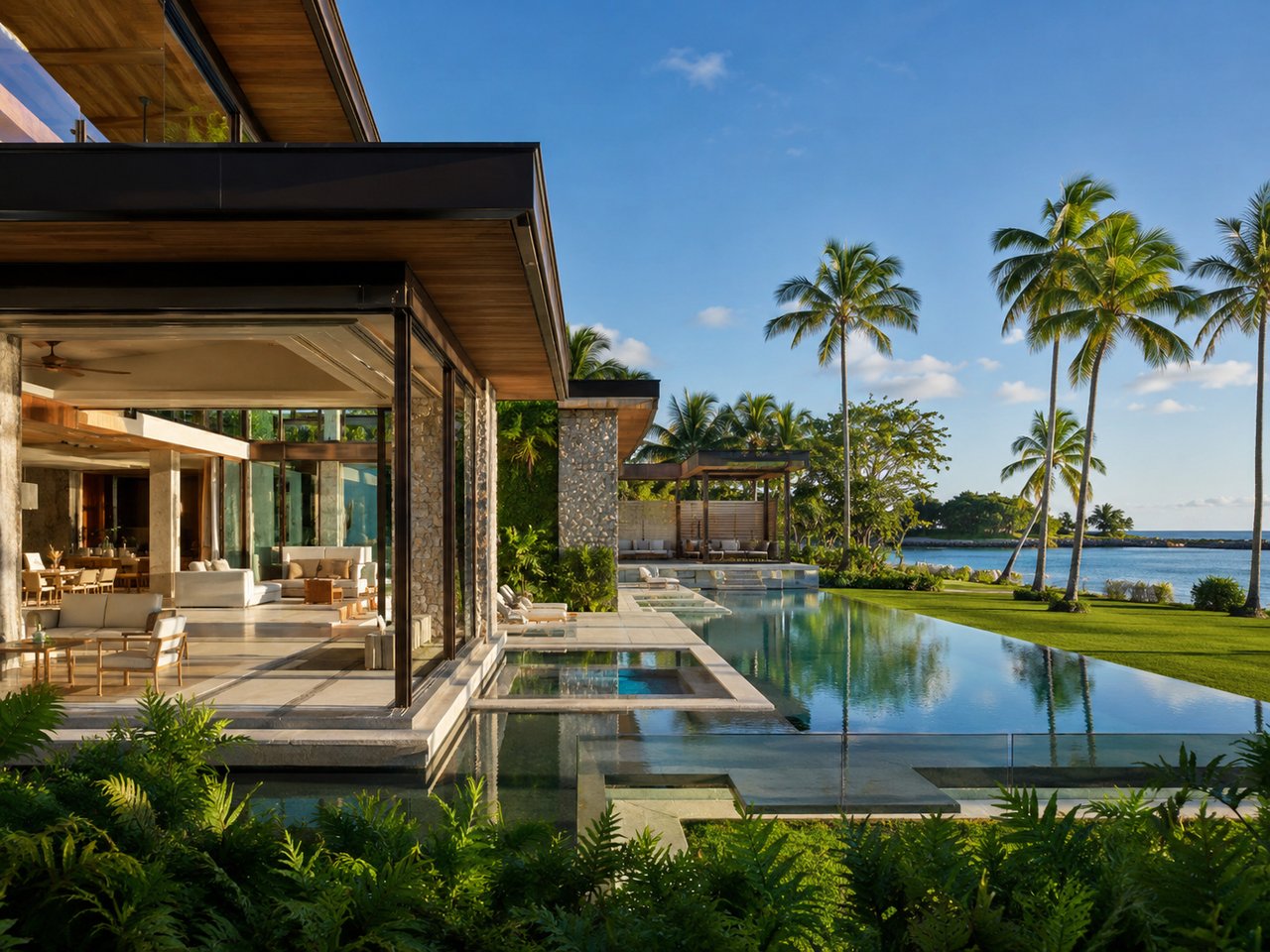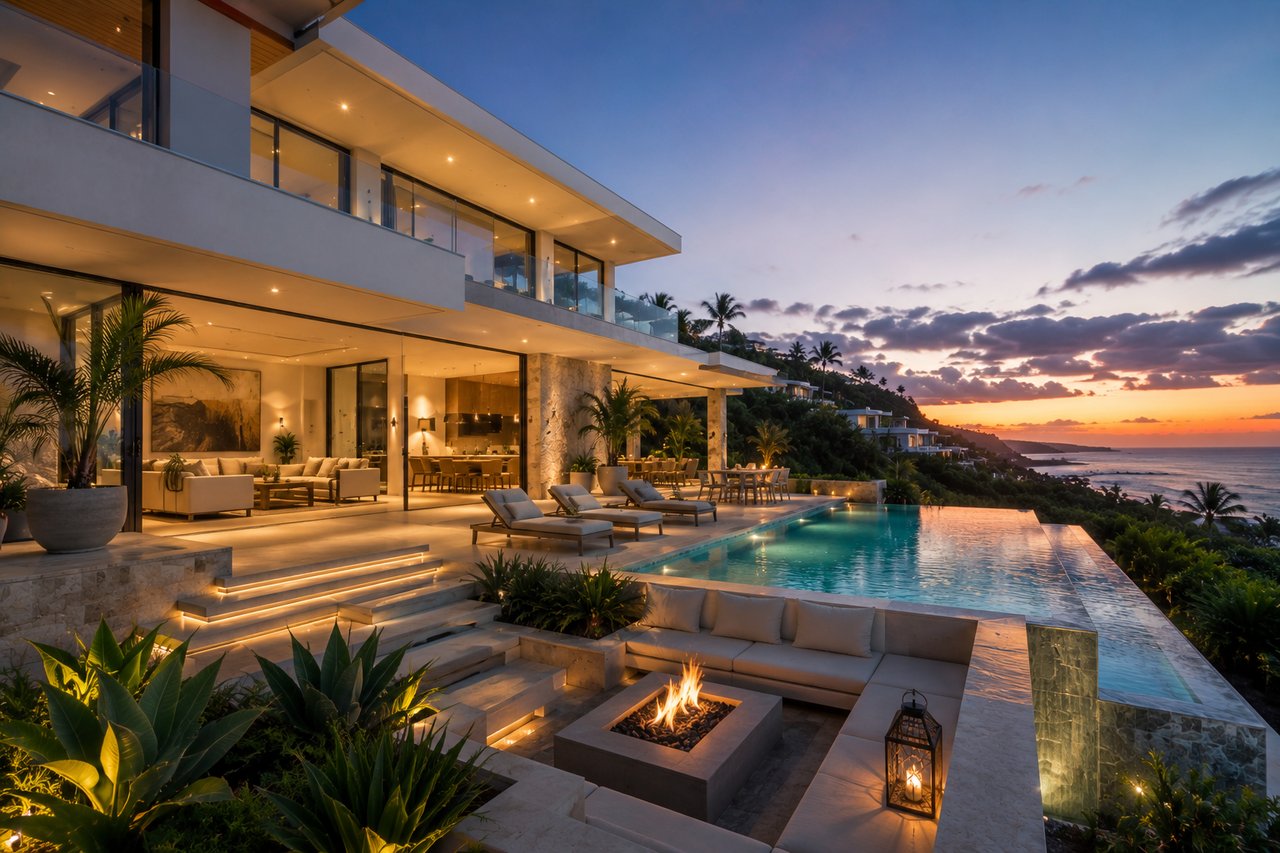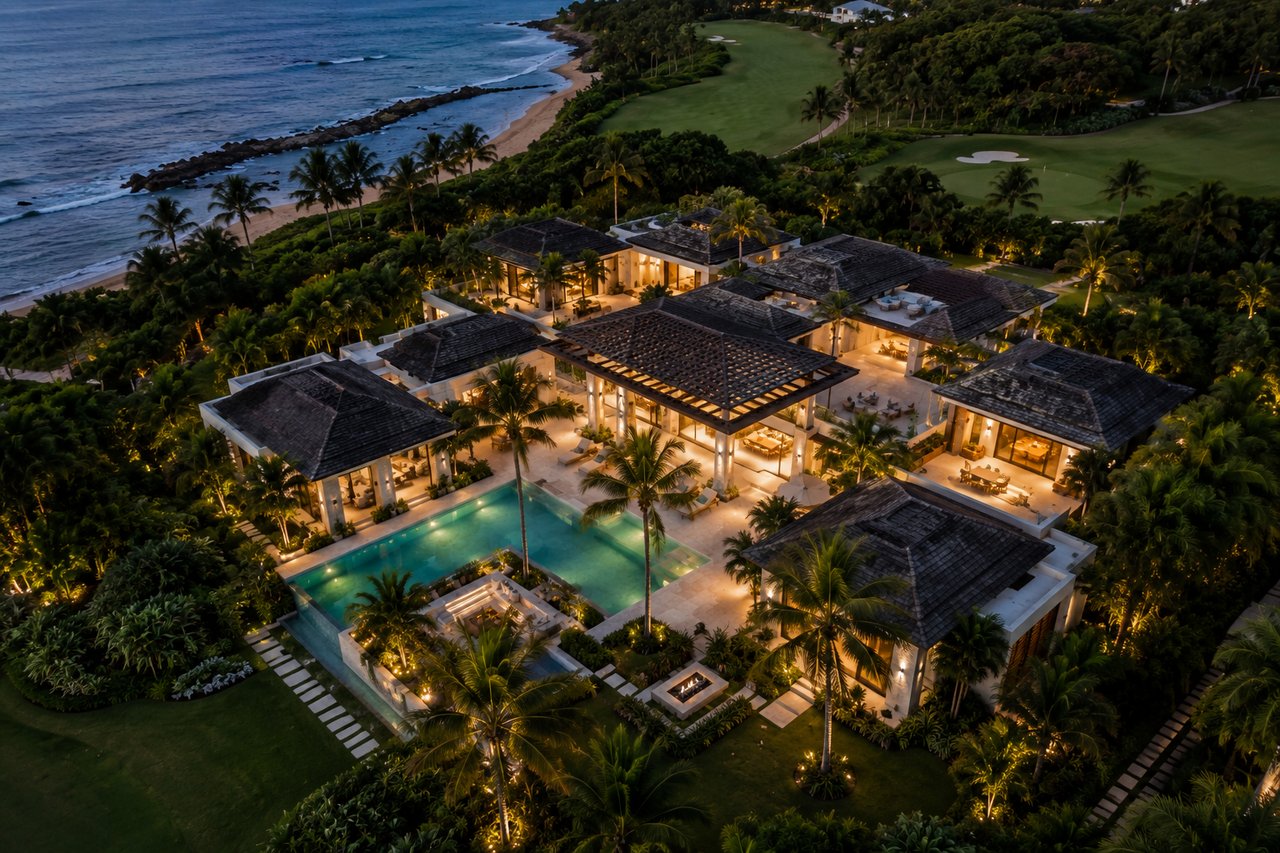
A rooftop terrace can transform how a luxury residence is experienced.
An elevated outdoor area may provide space for dining, entertaining, relaxing, or enjoying views that are not available from the home's lower levels.
In Puerto Rico, rooftop terraces can be particularly appealing to buyers who value indoor-outdoor living.
However, an attractive terrace is not necessarily a well-designed or low-maintenance one.
Its long-term usability depends on structural capacity, waterproofing, drainage, weather exposure, safe access, and the quality of the surrounding construction.
Before purchasing a luxury home with a rooftop terrace, buyers should understand how the space was built, what activities it can safely accommodate, and what responsibilities come with maintaining it.
1. Verify That the Terrace Is an Approved Usable Space
The first question is whether the rooftop area is legally and structurally intended for the use advertised.
A flat roof does not automatically qualify as a terrace suitable for gatherings, furniture, or recreational equipment.
Ask for available plans, permits, and documentation of the rooftop's construction or conversion.
If the terrace was added after the original home was built, determine what professional work and approvals were involved.
A qualified engineer and local attorney can help assess material questions concerning structural design and legal status.
Do not rely solely on the presence of flooring, railings, or furniture as evidence that the space is suitable for its intended use.
2. Understand Structural Capacity
Rooftop terraces must support more than their own construction materials.
People, furniture, planters, outdoor kitchens, shade structures, and other installations introduce additional loads.
Some features can be especially demanding.
A substantial planter filled with wet soil, for example, may create different structural requirements from lightweight outdoor furniture.
A spa or plunge pool can introduce significant weight and should never be added based on visual assumptions about the roof.
If you intend to install substantial equipment or host large gatherings, obtain appropriate engineering guidance.
Buyers should also ask whether existing heavy installations were professionally evaluated and approved.
The ability to enjoy the terrace safely is more important than the number of amenities it can accommodate.
3. Examine Waterproofing and Roof Protection
Waterproofing is one of the most important aspects of rooftop ownership.
The terrace forms part of the building envelope, and defects may affect interior rooms below.
Ask about the waterproofing system, installation date, maintenance history, and any previous leaks.
Review available warranties and repair documentation.
Look for signs of ponding, damaged finishes, deteriorated joints, or moisture staining in the rooms beneath the terrace.
These observations may identify concerns but do not necessarily establish their cause.
A qualified roofing or building-envelope specialist can assess suspected defects.
Do not assume that decorative tile or stone flooring provides the waterproofing protection. The underlying system is critical.
4. Evaluate Drainage During Heavy Rain
A rooftop terrace needs a reliable method of directing water away from occupied areas and vulnerable building components.
Inspect visible drains, slopes, scuppers, and areas where water could accumulate.
Ask whether the terrace has experienced standing water or overflow during heavy rain.
Consider whether planters, furniture, or recent modifications obstruct drainage paths.
The position and maintenance of drains can influence the terrace's long-term performance.
If the space includes an outdoor kitchen, shower, or other water-using installation, determine how those systems connect to appropriate drainage.
A professional evaluation is advisable where the terrace shows evidence of recurring water problems.
5. Assess Wind, Sun, and Shade
An elevated outdoor space may experience greater wind exposure than a ground-level patio.
Evaluate how comfortable the terrace feels during ordinary use.
Consider the location of seating, dining areas, railings, and any permanent shade structures.
Strong sun exposure may affect the time of day when the space is most enjoyable.
A terrace with attractive views but little shade may be less practical for certain activities.
Any proposed awning, pergola, or other shade structure should be assessed for appropriate anchoring, structural compatibility, and relevant approvals.
Loose furniture and lightweight accessories also require careful consideration in exposed locations.
The objective is to create an outdoor environment that is both enjoyable and appropriately maintained.
6. Review Access and Safety
The route to a rooftop terrace is part of its usability.
Determine whether access is provided by an interior staircase, exterior stairs, or another arrangement.
Assess the width, lighting, handrails, steps, and ease of carrying food or equipment to the space.
If the terrace will be used by children, older adults, or guests with mobility limitations, access deserves particular attention.
Review the condition and configuration of perimeter guards and railings.
Do not assume that decorative railings meet all relevant safety requirements.
Where questions arise, obtain qualified professional advice.
The terrace should be comfortable to reach and appropriate for the people who will use it.
7. Consider Privacy and Neighboring Views
Rooftop terraces can provide elevated views, but they may also be visible from neighboring properties.
Observe nearby buildings, balconies, rooftops, and windows.
Consider whether dining and seating areas have sufficient privacy for your preferences.
A terrace that feels secluded during a quiet showing may have different conditions when neighboring outdoor spaces are occupied.
Also consider noise transmission.
Outdoor music, gatherings, or equipment may affect nearby residences, and applicable community rules may limit certain uses.
If the property is within a managed development, review the relevant restrictions.
Privacy and comfort should be evaluated as practical features rather than assumed benefits of elevation.
8. Assess Electrical, Lighting, and Entertainment Features
A well-designed terrace may include lighting, electrical outlets, speakers, fans, or outdoor cooking equipment.
Ask whether the installed systems are suitable for exterior conditions and properly maintained.
If you intend to add substantial electrical equipment, consult a licensed professional about capacity and installation requirements.
Outdoor lighting should provide adequate visibility without creating unnecessary glare.
For entertainment systems, consider weather protection, service access, and compatibility with the home's existing infrastructure.
Avoid assuming that a rooftop can accommodate every proposed feature without additional work.
9. Plan for Maintenance and Future Repairs
Rooftop terraces require ongoing attention.
Flooring, waterproofing, drainage, railings, lighting, furniture, and exposed equipment may need regular inspection and maintenance.
Ask how the terrace is cleaned and whether maintenance activities can be performed without damaging the waterproofing system.
If heavy furniture or permanent installations cover important roof areas, determine how those areas can be accessed for repairs.
Consider the cost of replacing finishes if waterproofing work becomes necessary.
A terrace should be evaluated not only for its current appearance but also for the practicality of maintaining the systems beneath it.
10. Consider Resale and Long-Term Flexibility
A rooftop terrace may be an attractive feature for buyers who value outdoor entertaining and elevated views.
However, its contribution to resale depends on its usability, condition, access, legal documentation, and maintenance requirements.
A terrace with difficult access or recurring water problems may create concerns for future buyers.
Likewise, highly specialized rooftop installations may not suit every household.
Consider whether the space can accommodate different uses without substantial reconstruction.
A well-documented, practical terrace may be more appealing than one designed around a single elaborate feature.
The WoodsLux Perspective
At WoodsLux Realty, we believe rooftop terraces should be evaluated as important architectural and structural elements of a luxury home.
Their appeal comes from the experience they provide, but their long-term value depends on construction quality, weather protection, safety, and maintenance.
A careful buyer will investigate the systems beneath the visible finishes before deciding how much value to assign to the outdoor space.
Explore current WoodsLux luxury properties priced at $1 million and above:
Explore WoodsLux Luxury Listings
Conclusion
A rooftop terrace can be a valuable lifestyle feature in a Puerto Rico luxury home.
However, buyers should verify its approved use, structural capacity, waterproofing, drainage, access, weather exposure, and maintenance requirements.
The most successful rooftop spaces combine appealing design with practical construction and dependable long-term performance.
FAQ
Can any flat roof be used as a rooftop terrace?
No. The roof must be suitable for the intended use, and relevant structural and approval requirements should be verified.
What is the biggest maintenance concern with rooftop terraces?
Waterproofing and drainage are important concerns because defects can affect the building below. The actual risks depend on construction and condition.
Can I add a hot tub to an existing rooftop terrace?
Not without verifying structural capacity, plumbing, drainage, electrical requirements, and applicable approvals with qualified professionals.
Are rooftop terraces more exposed to wind?
They can be, depending on height, location, surrounding buildings, and design. Evaluate actual conditions and the suitability of installed features.
Should I request permits for a rooftop terrace?
Ask for available plans, permits, and documentation, particularly if the space was converted or substantially modified.
Does a rooftop terrace increase a luxury home's resale value?
It may improve appeal for certain buyers, but the contribution depends on condition, usability, views, documentation, and market preferences.